
WHAT IS A
PERFUSIONIST?
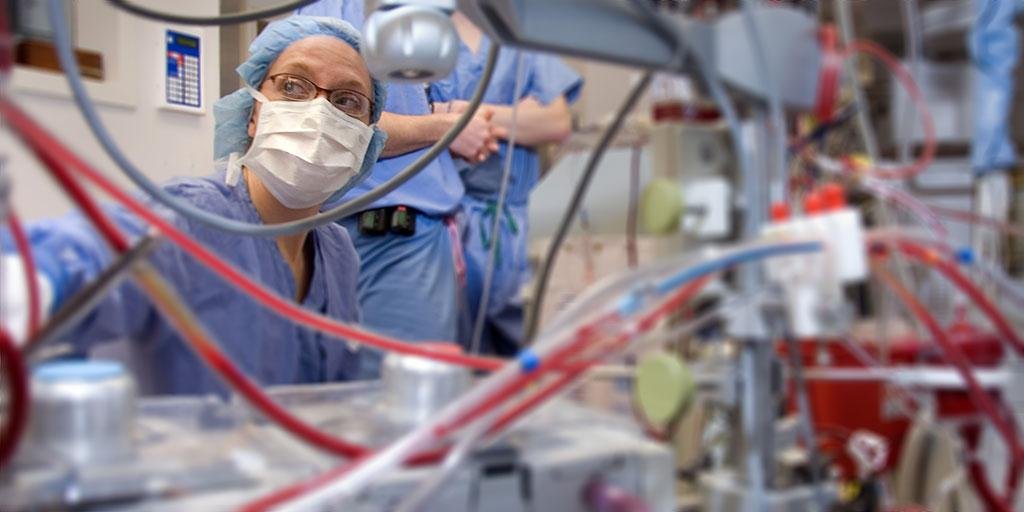
A cardiovascular perfusionist, also known as cardiac perfusionist, cardiopulmonary perfusionist, or simply, perfusionist, plays an important role in the operating room. Cardiovascular perfusionists are responsible for operating extracorporeal circulation equipment, such as the heart-lung machine, during an open-heart surgery or any other medical procedure in which it is necessary to artificially support or temporarily replace a patient's circulatory or respiratory function.
In South Africa a perfusionist is a trained B-Tech Degree health professional, specifically educated as a member of an open-heart, surgical team.
During cardiopulmonary bypass, the perfusionist may administer blood products, anesthetic agents, or drugs through the extracorporeal circuit on prescription and/or appropriate protocol. The perfusionist is responsible for the monitoring of blood gases and the adequate anticoagulation of the patient, induction of hypothermia, hemodilution, and other duties, when prescribed.
Perfusionists may be administratively responsible for purchasing supplies and equipment, as well as for personnel and departmental management. Final medical responsibility for extracorporeal perfusion rests with the surgeon in charge.
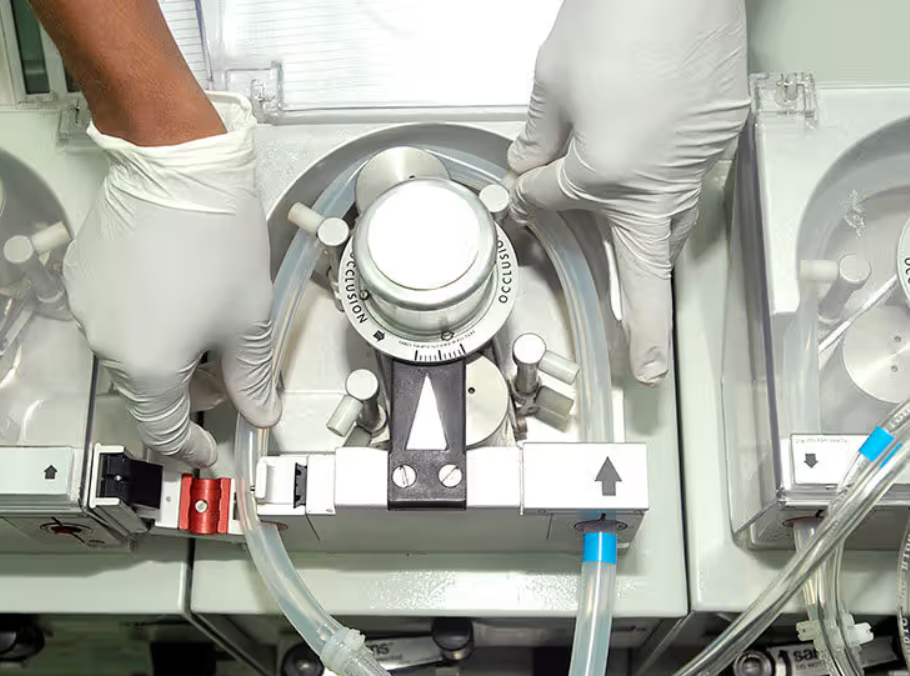
A perfusionist operates extracorporeal circulation and autotransfusion equipment during any medical situation where it is necessary to support or temporarily replace the patient’s circulatory or respiratory function.
The perfusionist is knowledgeable concerning the variety of equipment available to perform extracorporeal circulation functions and is responsible, in consultation with the physician, for selecting the appropriate equipment and techniques to be used.
The perfusionist provides consultation to the physician in the selection of the appropriate equipment and techniques to be used during extracorporeal circulation.
Perfusionists may be employed in hospitals, by surgeons, and as employees of a group practice. They typically work during the week and are frequently on call for emergency procedures. They also may work in an on-call system, depending on the number of perfusionists employed by the institution.

Benefits of utilizing Cell Salvage
for your blood management program
Safe and Cost effective method
of autologous transfusion
Reduces the requirements for
allogenic transfusion by at least 40%
No adverse cardiovascular, neurological
or immunological clinical outcomes
Cost effective procedure
No risk of substance
related side-effects
No preoperative preparation
of the patient required
Ideal for massive hemorrhages
Rapid fluid resuscitation
Used for patients unwilling
to accept allogenic blood